
Discover
India.
A starting point for culture, travel basics, local context and the details that make a place memorable.
Explore the guideTraditional dressFestivals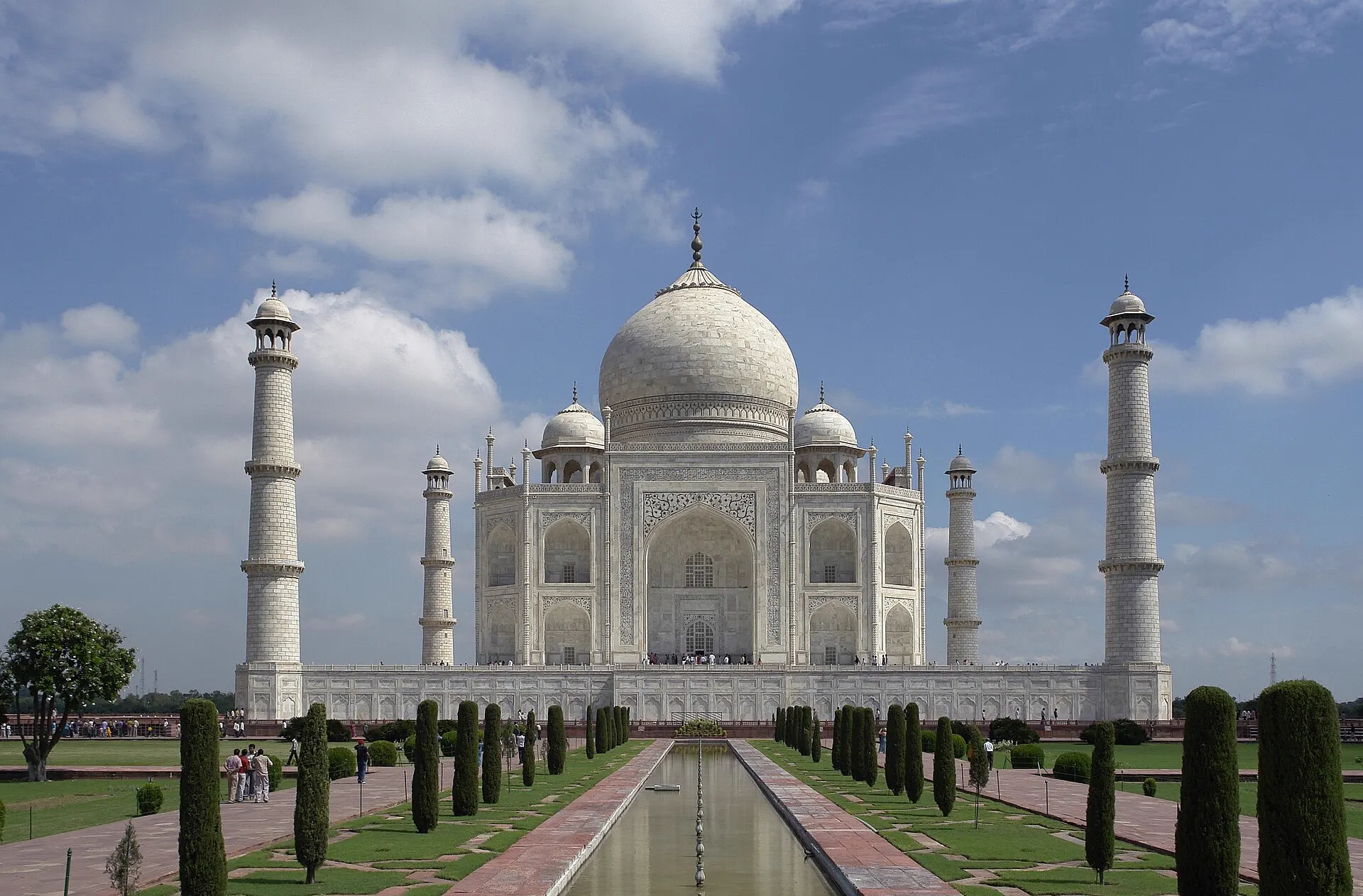 India landmark image
Add /img/india/hero.webp
Explore India’s states and union territories
Each tile leads to the future World Tour state route.
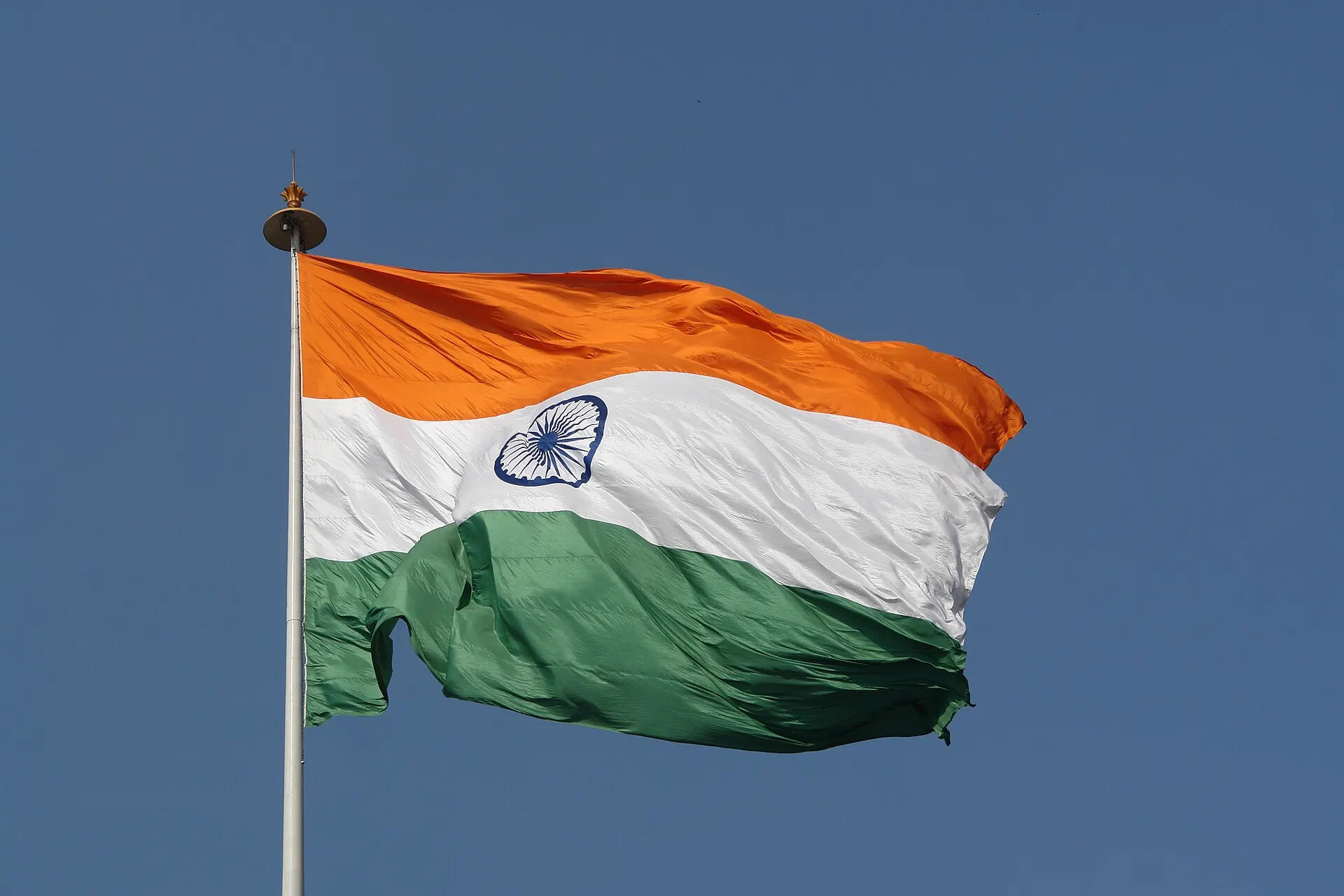 National flag image
Add /img/india/flag.webp
National flag
The flag is an important national symbol. Learn its history, rules of use and meaning from official sources. Look at the colours, symbols and proportions closely: flags often preserve a story about India's history, ideals or geography. Check local rules before displaying or using the flag at an event.
Capital city
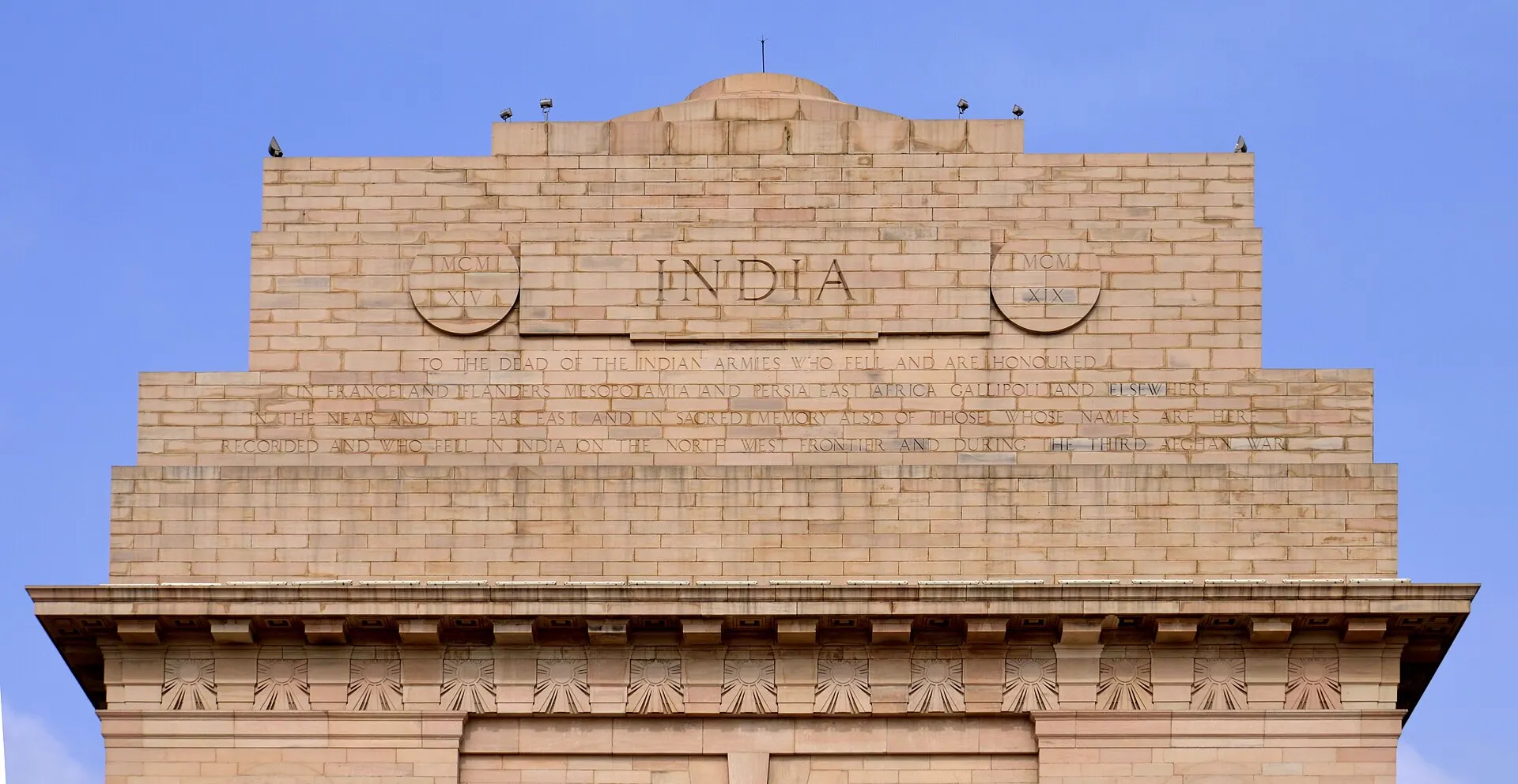
New Delhi Capitals are often political and administrative centres, but they are not always the largest or best-known city. Compare the capital with other regions to understand how people, work and culture are distributed across India.
 Capital city image
Add /img/india/capital.webp
 Currency image
Add /img/india/currency.webp
Currency
Indian rupee (₹ / INR) Before travelling, check which notes and coins are currently in circulation, whether cards are commonly accepted, and how to exchange money safely. Use a bank, licensed bureau or verified ATM rather than an unlicensed street exchange.
Languages
Hindi and English for Union government, with 22 scheduled languages. A phrasebook or offline translation app is useful, but listening and asking politely matter more than perfect pronunciation. Language can change across towns and regions, so avoid assuming one language represents everyone.
Customs
Local customs, greetings, meals, religion and personal space can differ between regions. Observe first, ask politely and follow local guidance. A respectful visitor notices how locals greet, eat, dress and queue before joining in. When you are unsure, a simple question such as “Is this okay?” is usually better than guessing.
Traditional dress
Traditional dress varies by region, climate, ceremony and community. Respectful visitors avoid treating cultural clothing as costume. Traditional clothes may be everyday wear, formal dress, religious dress or ceremonial dress depending on the community. Learn the name, materials and occasion before buying or wearing an item.
Explore traditional dress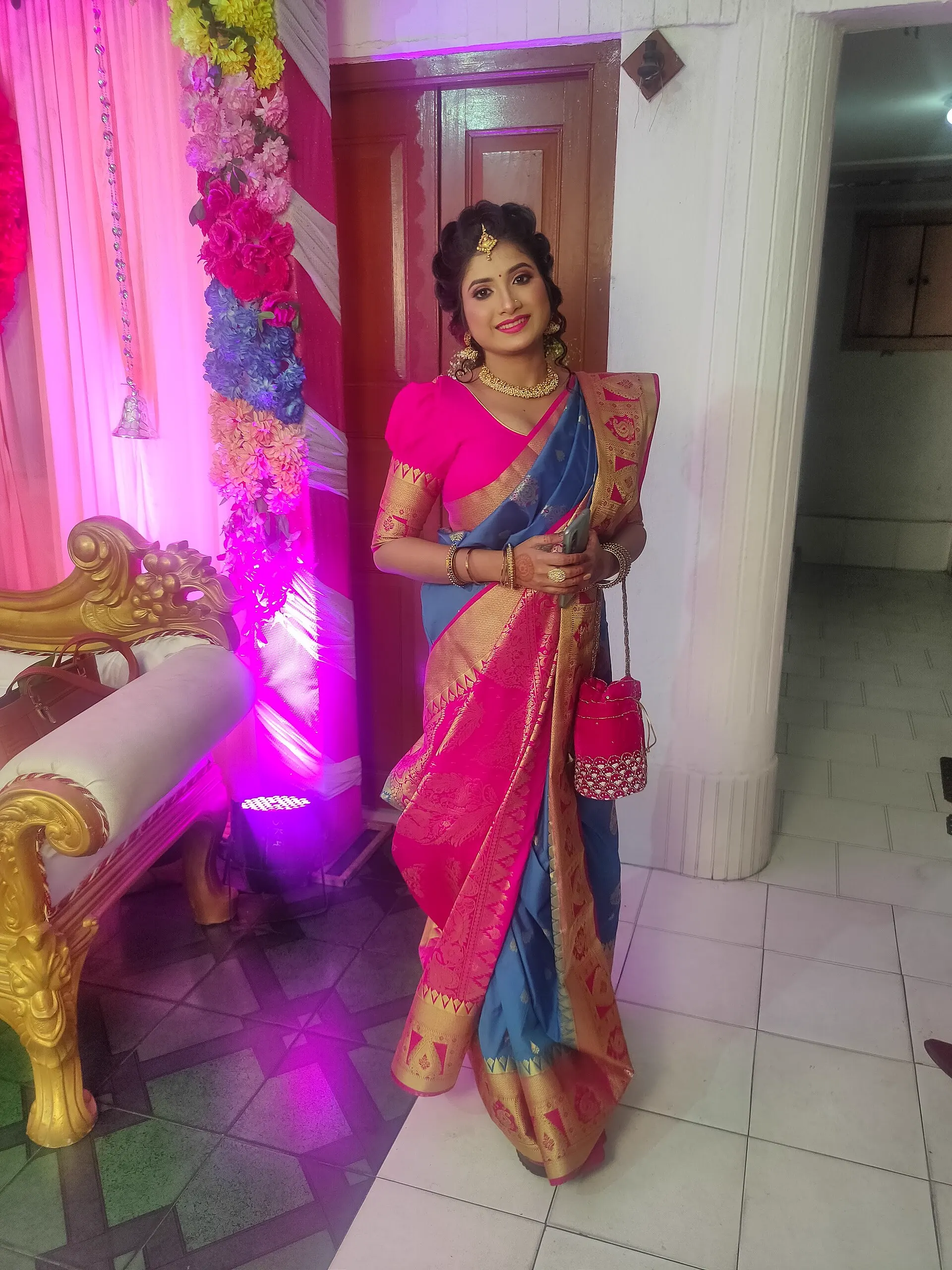 Traditional dress image
Add /img/india/dress.webp
Festivals
Public holidays and celebrations change by region and calendar. Check local dates and participation rules before you go. Festival dates, venue rules and crowd conditions can change each year. Plan transport and accommodation early, and leave room for local people to worship or celebrate without interruption.
Explore festivalsFood
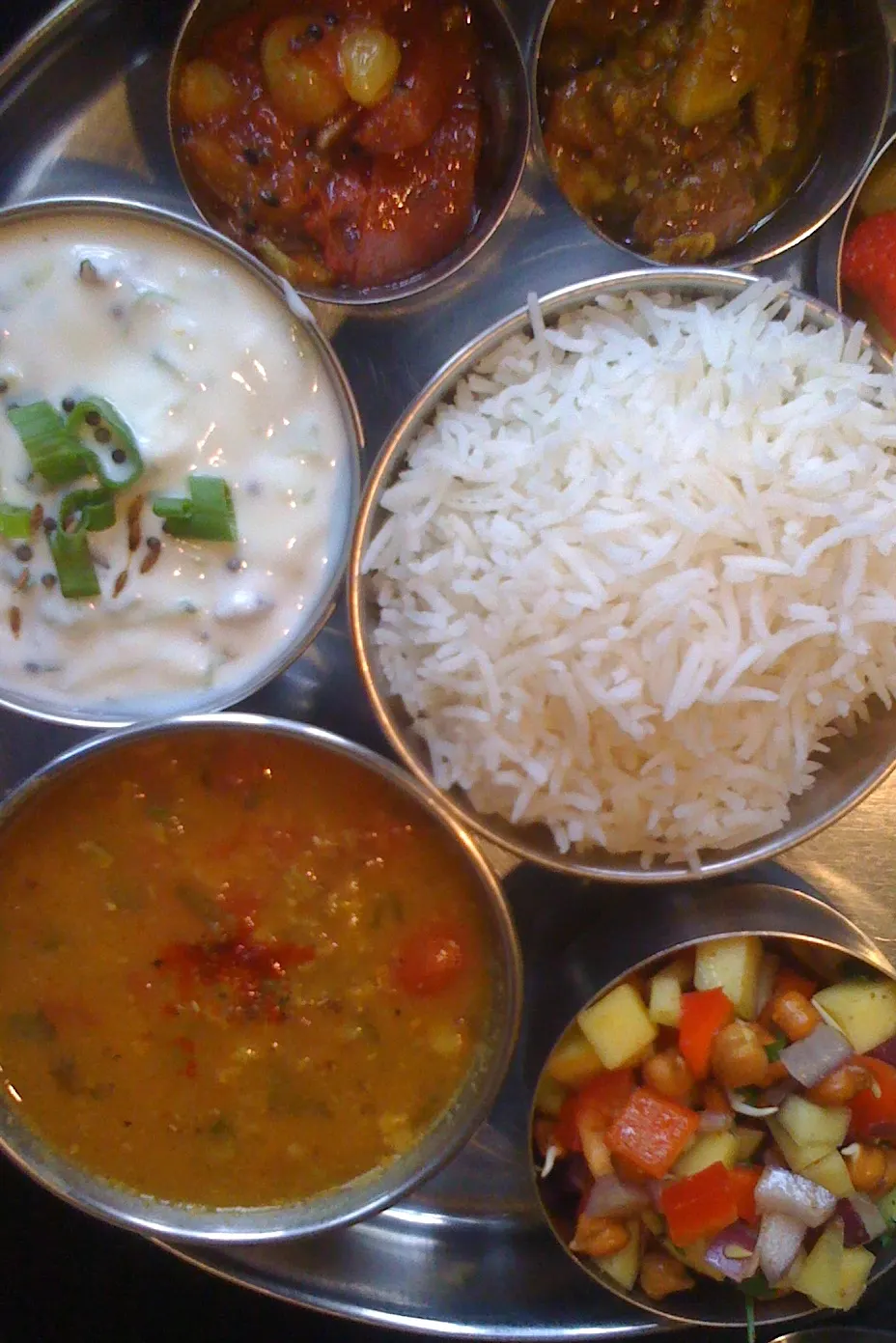
Look for regional specialities, use busy and reputable food vendors, and state allergies clearly. Regional food is shaped by climate, farming, migration and trade. Try a range of dishes gradually, ask how spicy or allergen-sensitive ingredients are prepared, and use clean drinking water.
Food imageAdd /img/india/food.webp
Landmarks
Visit heritage sites with a licensed guide where available. Respect conservation rules, entry hours and photography restrictions. A landmark is more than a photo stop: look for its original purpose, the people who built it and the conservation work that keeps it standing. Buy official tickets and follow access restrictions.
Fun facts
India uses a half-hour time offset and has one of the world’s largest rail networks. Its films are made in many languages. Use a surprising fact as a door into deeper learning, not as a shortcut to stereotype a whole country. Geography, population, ecosystems and inventions are often useful areas to explore next.
Weather
Climate ranges from Himalayan alpine conditions to tropical coasts. The southwest monsoon affects much of the country from roughly June to September. Pack for the destination rather than for the country as a whole. Mountains, coasts, cities and rural areas can have very different temperatures, rainfall and seasonal risks on the same day.
National bird
National symbols may be official, cultural or widely recognised. Confirm current official status through government sources. National animals and birds can represent conservation priorities as well as cultural meaning. If you see wildlife, keep a safe distance and never feed, touch or buy products made from protected species.
National food
Many countries do not have one official national dish. Regional food is often the best way to understand a place. Food traditions change from family to family and region to region. Asking a local what they recommend is often more revealing than looking for a single “must-eat” national dish.
National festival
A national observance may sit alongside major religious, seasonal and regional celebrations. Public celebrations may bring road closures, changed shop hours and very busy transport. Check the local calendar so that you can plan respectfully and avoid last-minute disruption.
National sport
Popular sport and an official national sport are not always the same. Check official sports bodies for current information. Sport can reveal local history, school life and community identity. Check a fixture list, attend an authorised event and learn the basic etiquette from local spectators.
Traditional dance
Dance traditions are rooted in particular communities and regions. Attend performances through local cultural institutions when possible. Dance frequently carries stories, music, costume and ritual that deserve context. Cultural centres, museums and established performance venues are good places to learn more.
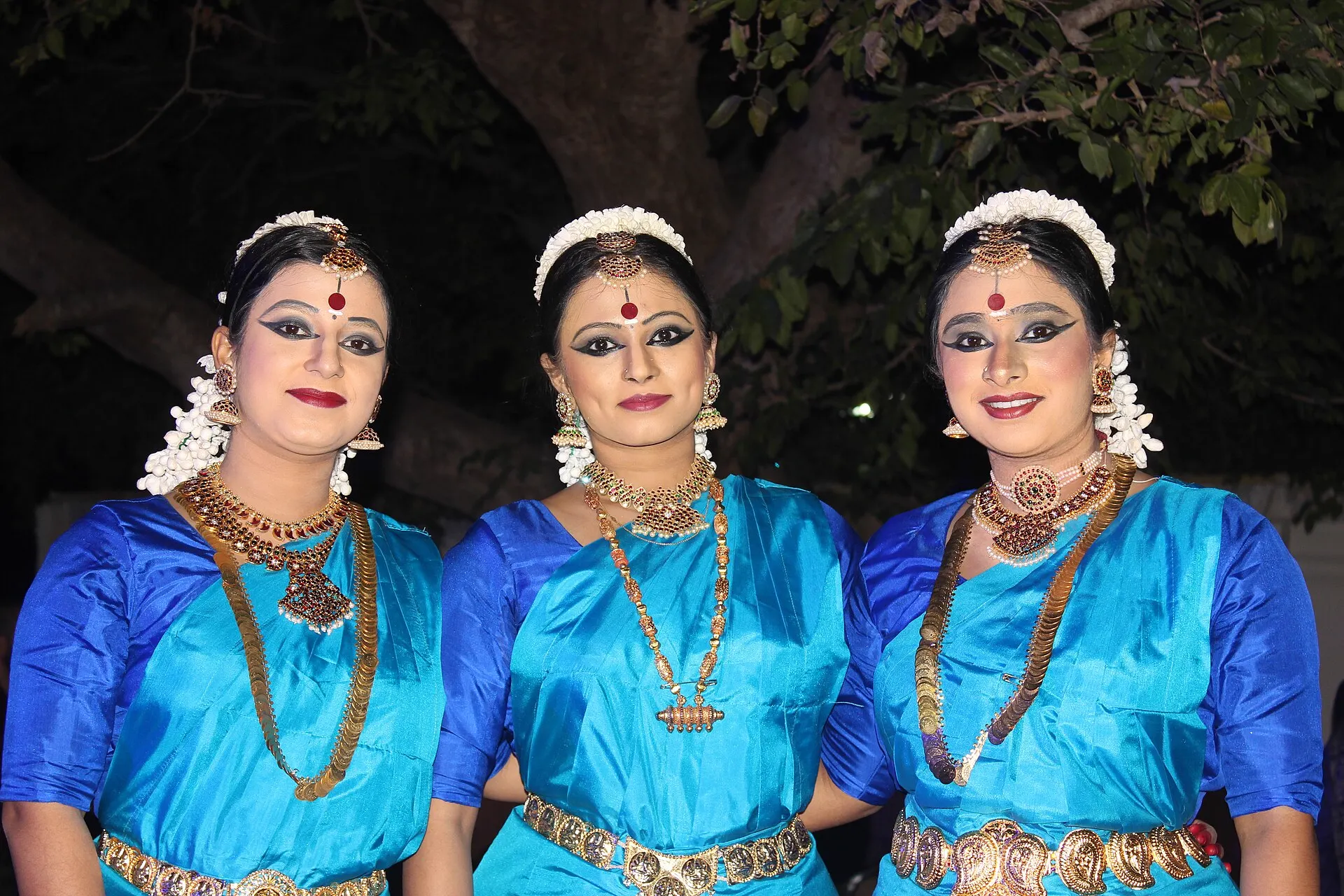 Traditional dance image
Add /img/india/dance.webp
Common local phrases
Namaste: respectful greeting. Dhanyavaad: thank you. Kitne ka hai?: how much is it? English bolte hain?: do you speak English? Practise the phrases slowly and pair them with a friendly tone. A greeting, thank-you and request for help can make everyday interactions easier and show consideration for local language.
Major tourist attraction
Choose an attraction that suits your interests, reserve official tickets early, and leave time for local neighbourhoods. Visit at quieter times where possible and consider combining famous sites with neighbourhood walks, local museums or community-run experiences. This spreads time and spending beyond the busiest locations.
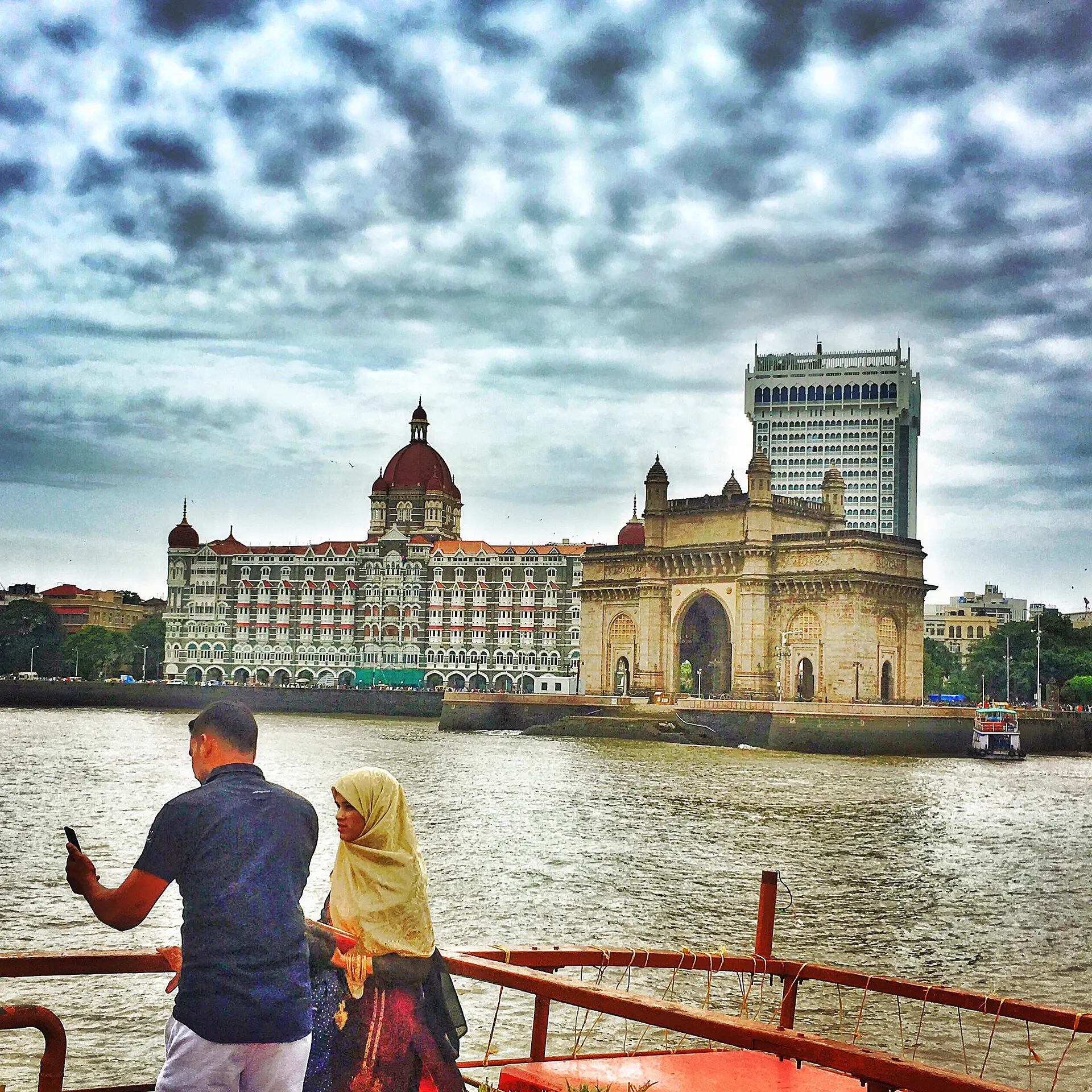 Major tourist attraction image
Add /img/india/attraction.webp
Historical events
Indus Valley civilisation; Maurya and Gupta periods; many regional kingdoms; colonial rule; independence in 1947; republic in 1950. History is often remembered differently by different communities. Look for local historians, museums and primary sources, and compare more than one account when learning about difficult periods.
National anthem
Jana Gana Mana Anthems are important symbols at sporting, civic and ceremonial events. Observe how people around you behave and follow venue guidance if an anthem is played.
Emergency contacts
112 is the unified emergency number. Police: 100. Fire: 101. Ambulance: 108 in many areas. Save the official emergency number, your accommodation address, embassy or consulate details, and local medical-insurance contact before you need them. In an emergency, communicate your exact location first.
Public transport
Research city and intercity transport before arrival. Use official apps, licensed taxis and marked stops where possible. Download official route and payment apps before travelling if they exist. Keep enough charge on your phone, allow extra time for connections, and ask staff before entering restricted or reserved areas.
Type of government
Federal parliamentary democratic republic Government systems shape how national and local decisions are made. For current office holders, elections and rules, use official government and election commission websites.
Local time zone
Indian Standard Time, UTC +5:30 Time-zone differences affect flights, online bookings and calls home. Check whether the destination changes clocks seasonally and set your phone to the local network after arrival.
Plug type
Types C, D and M Bring a quality travel adapter that fits securely, but do not use an adapter to solve a voltage mismatch. Check labels on chargers and appliances before connecting them.
Voltage
230 V, 50 Hz Most modern laptop and phone chargers accept a range such as 100–240 V, but hair tools and older appliances may not. A transformer is different from a plug adapter and may be necessary.
Internet and major providers
4G is widespread and 5G is expanding. Major providers include Jio, Airtel, Vi and BSNL. Coverage can be strong in cities and weaker in remote areas. Compare eSIM, local SIM and roaming options, and download key maps, reservations and addresses for offline use.
Visa requirement
Entry permission depends on your nationality, passport, purpose and duration of travel. Use the destination government’s official immigration site. Immigration rules are set by the destination and may depend on the passport you hold, prior travel, onward tickets and proof of funds. Never rely solely on a travel blog or an old forum post.
Type of visa
Visitor, transit, work, student, family and business visas have different conditions. Apply only through official channels. Read the permitted activities, validity period, number of entries and extension rules before applying. Working or volunteering on a visitor visa can be prohibited even if unpaid.
Education level
Education: access and outcomes vary by state, income, gender and location. National averages can hide substantial differences between regions and groups. Use the latest UNESCO, World Bank and national statistics to explore enrolment, literacy and learning outcomes with context.
Happiness level
Happiness: World Happiness Report 2025 ranked India 118 of 147. Happiness rankings use life-evaluation surveys, not a complete measure of a society. Compare the report methodology and year before drawing conclusions from a rank.
Freedom
Freedom: Freedom House 2025 rated India Partly Free, 63/100. Freedom measures commonly examine political rights, civil liberties and legal protections. Read the full country report alongside viewpoints from local organisations and researchers.
Press freedom
Press freedom: RSF 2025 ranked India 151 of 180. Press-freedom measures examine conditions for journalists, media independence and safety. A rank is a starting point for reading the report’s evidence, not the entire story.
Human Development Index
HDI: UNDP 2025 reported 0.685 for 2023, medium human development. HDI combines health, education and income indicators. It is useful for broad comparison, but regional inequality, environment and lived experience need additional sources.
Things to do and not do
Do learn local etiquette, carry identification and insurance, and respect queues, dress codes and sacred places. Do not photograph people, security sites or ceremonies without permission. Good travel behaviour means staying curious without treating local people as an attraction. Follow laws, respect consent and sacred spaces, and ask your host or guide when customs are unfamiliar.
Souvenir
Choose locally made, legally exportable crafts from makers or trusted cooperatives. Avoid protected wildlife products, archaeological objects and counterfeit goods. Ask who made an item, where the materials come from and whether it can legally leave the country. A useful souvenir supports local makers and carries a clear connection to a place or craft.
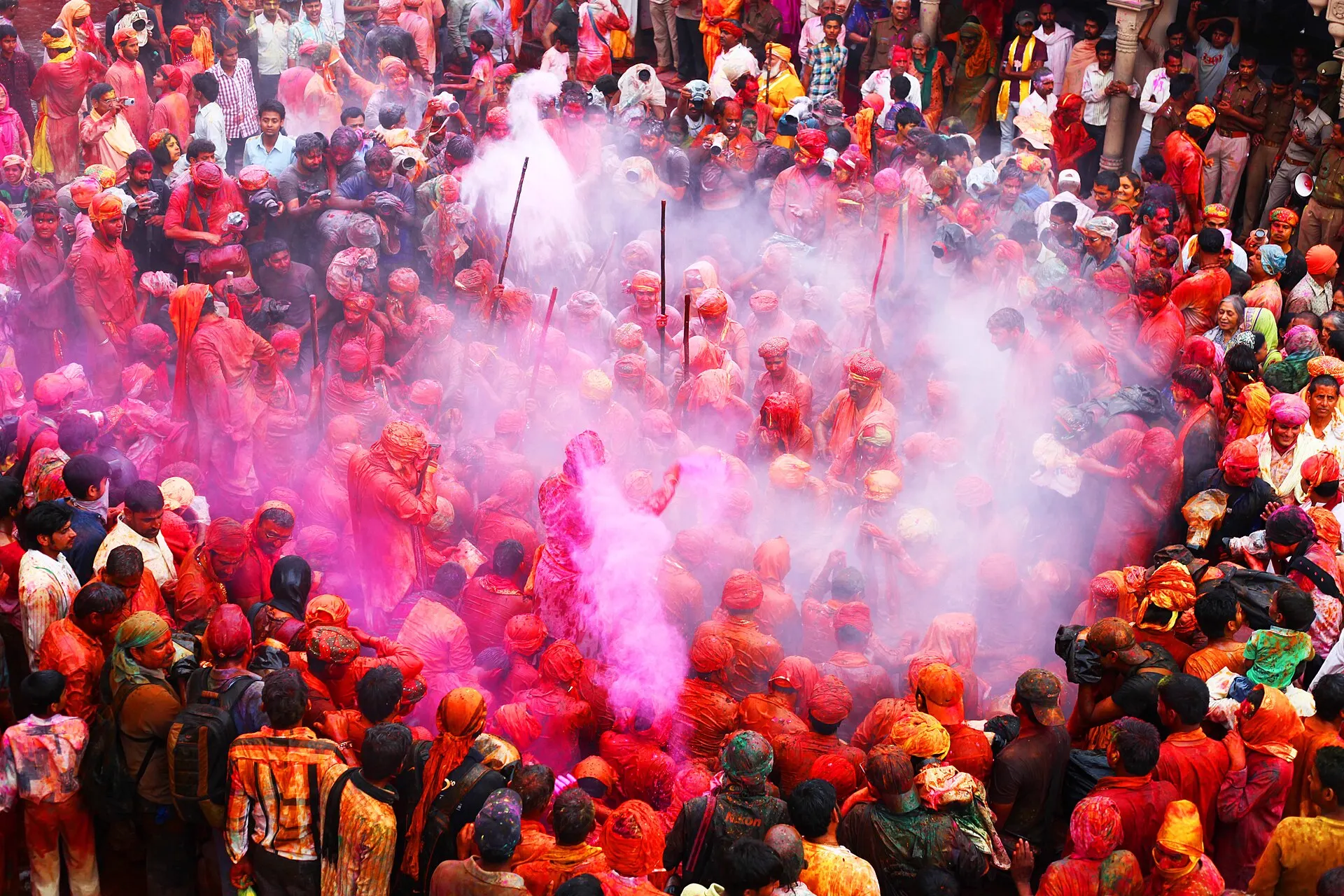 Souvenir image
Add /img/india/souvenir.webp